
September isn’t automatically better than spring, but it can be a good time for excavation in Scotland when the ground is workable and the forecast allows the job to progress. Spring can bring softer soil, but waterlogged ground may make digging muddy and trench sides less stable. The best time of year for excavation work in Scotland depends on site conditions, not the calendar alone.
It’s worth weighing up September against spring. Autumn can bring workable soil moisture and cooler conditions, while spring may suit landscaping and planting if the ground isn’t saturated.
This guide explains how frozen or waterlogged ground, wet winter weather and the time trenches remain open affect your decision. You’ll find what to consider before setting a date, and when September or spring may be the more practical option for your excavation project.
Key Takeaways
- Choose the excavation window by assessing ground conditions, not the season alone. Frozen or saturated soil can make digging and trench stability more difficult.
- Wet winter weather can leave soil muddy and slow site work, so allow for changing conditions when planning the programme.
- Plan excavation and reinstatement close together. Open trenches can channel water and contribute to erosion and sediment pollution.
- September may suit a project when the ground is workable; spring can be a better fit for landscaping and planting. Match the timing to the job and site.
1. Avoiding work on frozen or waterlogged ground
Frozen ground can slow excavation and put more strain on machinery. Waterlogged soil brings different challenges: muddy access, unstable trench sides and difficulty moving excavated material. Before setting a date, assess drainage, ground firmness and recent weather. A September garden project, such as preparing ground for landscaping or improving drainage, may go smoothly if the soil is workable.
Conditions vary across Scotland. In the Highlands, elevation and exposed sites can make frost and local weather important; in the Lowlands, soil type and drainage still shape ground conditions. Island sites can also face changing weather. Assess the actual site rather than assuming one region has a uniform excavation season.
There is no single excavation season set by planning rules across Scotland: excavation itself does not automatically require planning permission, and whether approval is needed depends on the project and its effects. Tree protection rules may apply, particularly in conservation areas or where a tree preservation order is in place. The Wildlife and Countryside Act 1981 makes it an offence to plant or otherwise cause a non-native plant to grow in the wild, or to release a non-native animal, according to The National Archives.
To reduce the risk of disturbing nesting birds, schedule vegetation clearance and nearby groundworks outside periods when nesting has been identified on site. Arrange an ecological assessment before work where vegetation or habitat could be affected, and follow its findings rather than relying on a fixed calendar date.
Summer brings longer daylight hours for excavation, with the longest days around midsummer. The extra light can help crews complete tasks, but it doesn’t make saturated ground suitable for digging.
To prepare for wet weather, assess access and drainage first, mark the excavation area, and plan where spoil can be stored without blocking water run-off. Pause ground disturbance if standing water or soft trench sides make safe progress difficult. In September, drainage improvements and garden preparation can suit workable ground, but heavy rain or early frost may disrupt the programme.
2. Effects of wet Scottish winters on soil
After prolonged winter rain, water can fill the spaces between soil particles and leave the surface soft. On a construction site, this can reduce the ground’s stability beneath machinery, create deep ruts and make it harder to move excavated spoil. A vehicle crossing a saturated garden can also damage turf and compact the ground, affecting later drainage and planting.
Wet conditions affect the excavation itself. Soil may cling to buckets, while trench sides can slump when saturated. Water collecting in the excavation makes it harder to see the base clearly and can complicate foundation or drainage work. The effect depends on soil type, slope, existing drainage and how much rain the site has received, not simply the month.
Spring doesn’t immediately resolve these problems. Rain-soaked ground can remain soft after the weather improves, particularly where water drains slowly or the site has been disturbed. Before construction begins, assess the access route, surface firmness and water movement. If machinery leaves ruts or water gathers in the work area, pause and address the cause rather than spreading the damage across the site.
Good preparation starts with directing clean surface water away from the excavation and keeping spoil clear of drainage channels. Plan where excavated soil will sit, protect routes across vulnerable ground, and avoid repeatedly tracking over saturated areas. For a drainage trench, work in manageable sections and reinstate the ground promptly. Leaving disturbed soil exposed can allow rain to carry sediment into nearby drains or watercourses.
Vegetation clearance may be necessary before groundworks, but clearing a wet site does not make its soil ready for excavation. Where woody cuttings need processing along a planned access or drainage route, tracked wood chipper hire can support that clearance task. Keep the excavation decision separate: proceed when the ground can support the planned work and water can be managed safely.

3. Managing the time trenches remain open
The key programme decision is not just when to excavate, but how soon each trench can be reinstated. In Scotland, a cable trench left open for an extended period can channel rainwater, contributing to erosion and sediment pollution. Plan excavation, cable installation and reinstatement as connected stages, rather than treating trenching as a standalone task.
Before work starts, establish the sequence for each section: mark the route, excavate a manageable length, complete the installation, then replace the topsoil or peat. This limits how much ground is exposed at any one time. For a long cable route, divide the work into practical sections and coordinate each stage with material delivery and the crew responsible for reinstatement.
The season and forecast affect the timing. A dry spell may offer a useful window, but rain can still arrive during the work. Build flexibility into the programme so the excavation length reflects site conditions and the time available to complete the next stage. If delivery or installation is delayed, avoid opening additional sections that can’t be reinstated promptly.
On peatland, keep excavated topsoil and peat organised for reinstatement along the route. Separate these materials from other spoil, and avoid placing them where flowing water could carry sediment away. Where the trench crosses a slope or drainage path, plan the work sequence to limit exposed ground and restore the surface as each section is completed.
Agree responsibilities before excavation begins. The excavation crew, cable installation team and reinstatement contractors need a shared sequence, with clear arrangements for weather disruption. A practical plan links excavation progress to installation and topsoil or peat reinstatement, reducing the time an open trench can collect and channel water.
4. Comparing September with spring
September can suit excavation when the ground remains workable after summer and autumn rain hasn’t saturated the site. Cooler conditions can help crews work, while shorter days make the programme tighter. Early frost or heavy rain can still delay a September start, so base the timing on the forecast and actual ground conditions, not the calendar alone.
Spring offers a different advantage for garden landscaping. Excavation can prepare beds and planting areas before warmer weather, giving plants time to establish roots. But soft soil after winter rain can become muddy, and saturated ground can make trench sides less stable. Assess drainage and access before machinery enters, especially where a larger project crosses lawn or planted ground.
Compare the work itself. September may suit drainage improvements or garden preparation when the soil is neither frozen nor waterlogged. Spring may fit planting-led projects better, provided the site has drained enough for excavation. In either season, plan clearance, digging and reinstatement as one sequence so exposed ground isn’t left vulnerable to further rain.
Equipment and operator availability also affect the decision. Spring contractors may be busy, so arranging equipment or operators can require advance planning. If you have a fixed spring planting date, organise the excavation programme early, including material delivery and follow-on work. A September start may avoid that seasonal demand, but only if the weather and daylight leave enough time to complete each stage properly.
Use a simple decision: choose September for workable ground and a ready programme; choose spring when planting or landscaping drives the schedule and the soil has recovered from winter. If neither window gives suitable conditions, adjust the start date rather than forcing excavation into saturated ground. Plan excavation equipment for your project around its ground conditions, access and intended season.
Ayr Tracked Plant & Equipment Hire
Ayr Tracked Plant & Equipment Hire provides plant and lifting equipment hire for projects where access, ground conditions and timing shape the work. Once you’ve assessed whether September or spring suits your site, match the equipment to the excavation and the route into the work area.
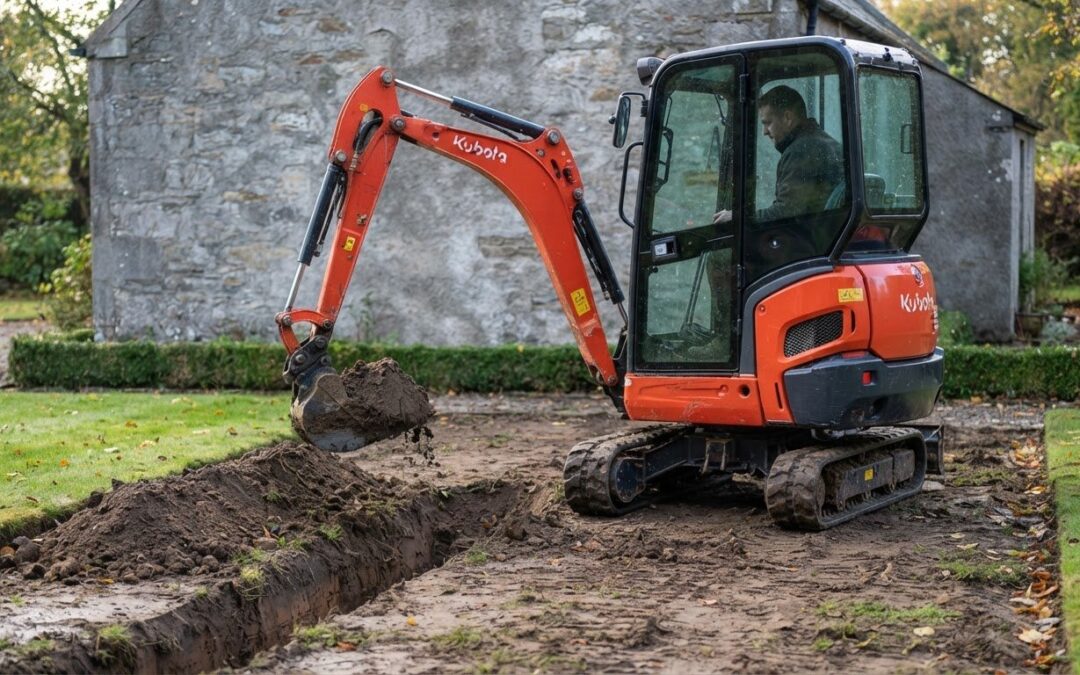
The KUBOTA Mini Excavator / Digger is relevant for excavation tasks, while the ALMA Crawler Multi-Loader supports projects with complex site access. The FORST TR8 8" Tracked Wood Chipper can help with vegetation clearance where that is part of preparing the site. Choosing equipment around the task and access requirements helps keep the programme practical, whatever the season.
For equipment suited to your planned groundwork, contact Ayr Tracked Plant & Equipment Hire to discuss your project.
Turn your excavation plan into a workable start
Before fixing a date, turn the seasonal choice into a site sequence. Set out the excavation area, access route, spoil location, follow-on work and reinstatement plan. This gives the programme a practical starting point and helps coordinate equipment with the work that follows.
The best time of year for excavation work in Scotland is the window that fits the ground, the task and the project schedule. If your plans also involve lifting equipment, Ayr Tracked Plant & Equipment Hire offers the TMC25/BG250 Mini Spider Crane. Include the site layout and access constraints in your equipment planning, alongside the excavation itself.
Prepare a clear outline of the work and preferred timing before arranging equipment. Contact Ayr Tracked Plant & Equipment Hire to discuss your project and its equipment needs. A well-planned start gives your groundwork a clear direction.
Frequently Asked Questions
Is September Better Than Waiting Until Spring?
Not automatically. September can be the better choice if the work area is accessible and the job can be completed before autumn rain or frost interrupts it. Waiting for spring may suit planting-led landscaping, especially when plants need time to establish before warmer weather. For a drainage run, compare ground conditions with the planned sequence for excavation, installation and reinstatement, rather than choosing by month alone.
What Time of Year Is Best for Digging with an Excavator, and Why?
Late spring and autumn are often practical periods for excavation because soil moisture and working temperatures can be favourable. Summer offers longer daylight and drier conditions, but hard-packed ground can make digging tougher. For example, a garden project involving compacted soil may take more effort in summer than during a workable autumn spell. Frozen winter ground can slow excavation and increase machinery wear.
What Types of Groundwork Can You Carry Out in September?
September can suit drainage improvements, garden preparation and agricultural land preparation after harvest. It may also be a useful time to prepare a site for winter drainage work. Match the task to the ground: a drainage trench needs a clear route and a reinstatement plan, while garden preparation should avoid disturbing saturated soil. Rain and early frost can affect the schedule.
What Is the Best Season for Excavation Work in Scotland?
Autumn and late spring are often favourable for landscaping and garden excavation. The best time of year for excavation work in Scotland still depends on the project, soil and site access. Spring can fit planting plans, while autumn can suit drainage work and ground preparation. Summer may offer more daylight, but dry, hard-packed soil can slow digging. Choose the season that fits the task and leaves the ground workable.
How Do Rainfall and Ground Conditions Vary Across Scotland by Season?
Winter is often wet, and saturated ground can remain soft into spring. Summer is generally drier, although soil may become hard-packed; autumn can bring workable moisture alongside rain and early frost. Conditions also differ between sites because soil type, slope and drainage affect how quickly water clears. A low-lying garden and a sloping field can respond differently to the same spell of rain.
How Does Frost Affect Excavation Work in Scotland?
Frozen ground can make digging slower and put more strain on excavator parts, increasing wear and fuel use. Frost can also affect the excavation plan if the ground thaws into soft, wet soil afterwards. Frozen surfaces may help protect turf from machinery access, but that doesn’t mean every trench will be easy to excavate. Consider whether the work can continue through changing ground conditions and be reinstated promptly.